Commercial drone insurance programs designed for businesses and professional operators flying under FAA Part 107 in regulated and contract-driven environments.


FAA Part 107 governs how commercial drone operations are conducted, not how they are insured
Part 107 establishes requirements related to:
FAA Part 107 does not:
Insurance exists to address financial risk and liability exposure created by Part 107 operations, not to satisfy FAA regulatory requirements.
While FAA Part 107 does not mandate insurance, it establishes the regulatory baseline that insurers, clients, and project owners expect operators to meet.
Insurance carriers and commercial counterparties typically assume that:
These assumptions form the baseline for underwriting, claims review, and contract approval.
Failure to comply with Part 107 can affect:
Commercial drone insurance programs are therefore structured with the expectation that Part 107 compliance is maintained at all times. Insurance programs are evaluated in the context of both operational compliance and contractual responsibility, not FAA authorization alone.
Part 107 operators are typically required to carry commercial drone insurance that includes:
Coverage for third-party bodily injury and property damage arising from drone operations. Liability limits and endorsement language are commonly dictated by client contracts, site rules, or project insurance manuals.

Coverage for repair or replacement of the drone aircraft if damaged during professional operations.
Coverage for cameras, sensors, LiDAR systems, and supporting equipment that may not be fully covered under hull insurance.
Additional underwriting or endorsements may be required for night operations, indoor flights, complex environments, or advanced mission profiles conducted under Part 107 authority.
Coverage structure and limits are driven by contracts and operational risk, not by FAA rules.
For most Part 107 operators, insurance approval is a prerequisite to work, not an optional safeguard.
Common requirements include:
Many commercial operators must demonstrate insurance compliance before being permitted to fly, regardless of FAA authorization status.
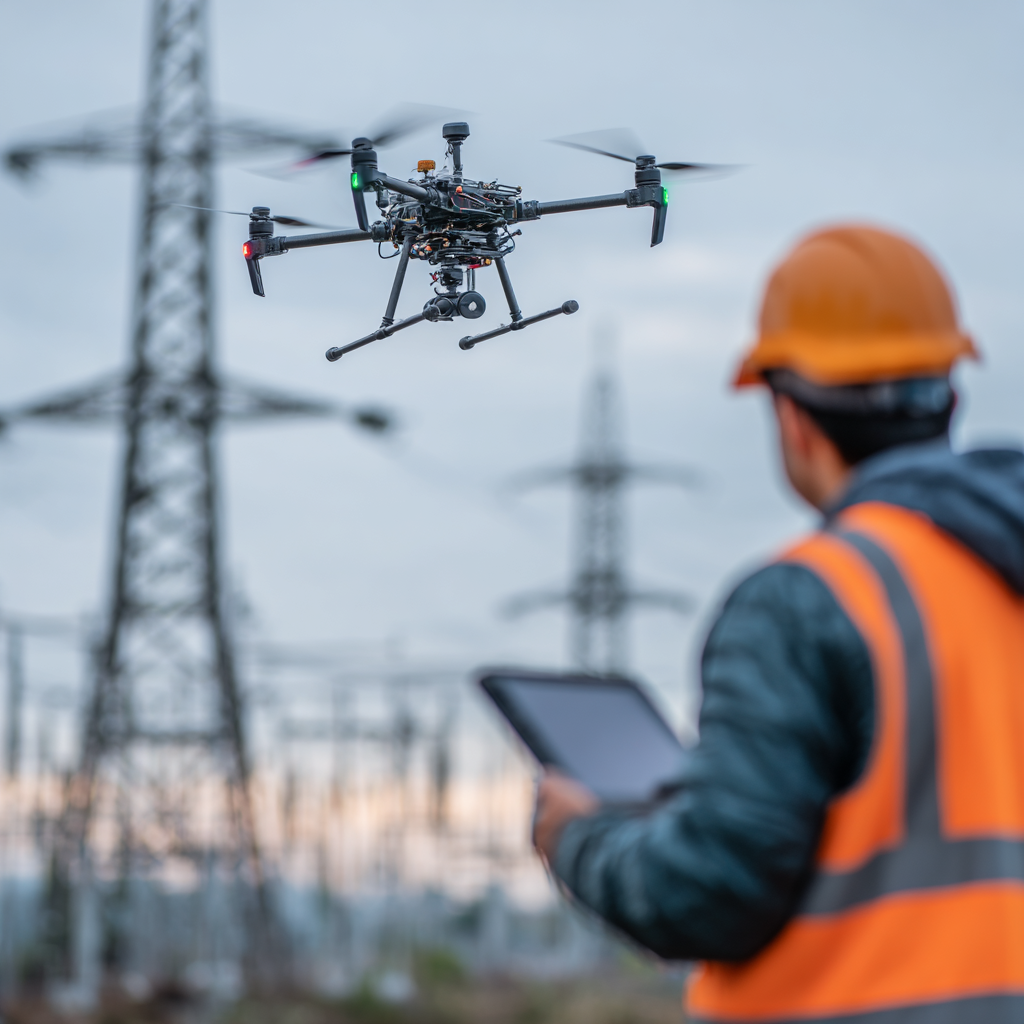
Commercial drone insurance aligned with Part 107 operations is commonly required for:
Any business using drones for professional or revenue-generating purposes should assume that Part 107-compliant insurance will be required.
Claims handling often includes review of operational compliance, documentation, and contractual obligations.
Protect your commercial drone operations with insurance designed for regulated, professional, and contract-driven Part 107 environments.