Review annual insurance for commercial agricultural drone application: aircraft and dispensing equipment values, chemical drift and treatment questions, customer requirements and the full operating season. Insurance and regulatory permission are separate reviews.
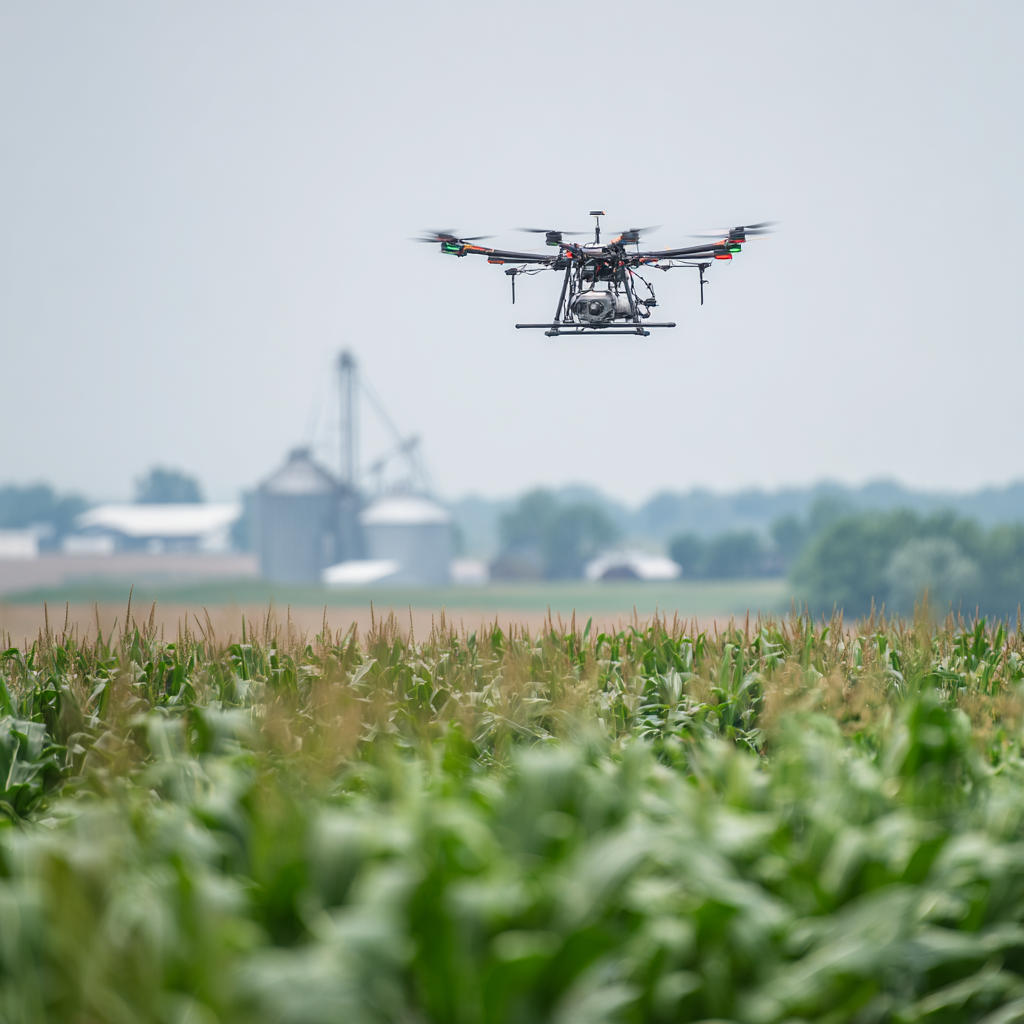

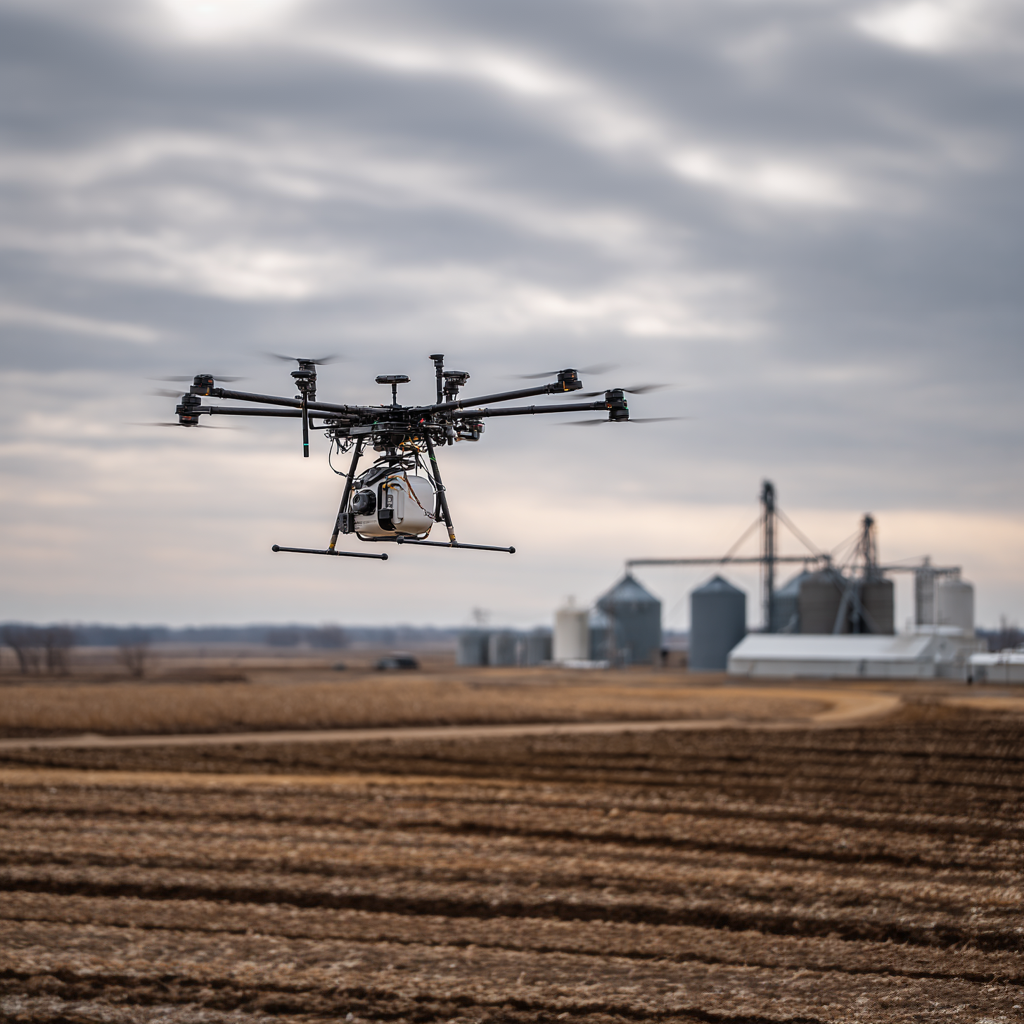
FAA Part 137 governs agricultural drone operations, including aerial application conducted using drones
Part 137 establishes requirements related to:
FAA Part 137 does not:
Insurance exists to address financial risk and liability exposure created by agricultural drone operations, not to satisfy FAA regulatory approval alone.
Agricultural application presents insurance questions about the substances dispensed, drift, treatment errors, operating controls and third-party exposure. Describe the actual operation so the insurer can assess it; Part 137 certification alone does not determine its insurance risk or price.
Insurance carriers, clients, and landowners typically assume that
These assumptions form the baseline for underwriting, claims review, and contract approval
Failure to comply with Part 137 requirements can affect:
Commercial drone insurance programs for agricultural operators are structured with the expectation that Part 137 compliance is maintained at all times. Insurance programs are evaluated in the context of both operational compliance and contractual responsibility, not FAA authorization alone.
Agricultural drone operators conducting aerial application are typically required to carry commercial drone insurance that includes:
Coverage for third-party bodily injury and property damage arising from agricultural drone operations. Liability limits and endorsement language are commonly dictated by landowner agreements, client contracts, or applicator requirements.

Coverage for repair or replacement of the drone aircraft if damaged during agricultural operations.
Coverage for application systems, tanks, dispersal equipment, sensors, and supporting gear that may not be fully covered under hull insurance.

Additional underwriting or endorsements may be required due to application activities, environmental exposure, or higher-risk operating conditions associated with agricultural drone use.
Coverage structure and limits are driven by contracts, landowner requirements, and operational risk, not by FAA rules. These insurance programs do not replace regulatory compliance, pesticide licensing, or environmental obligations associated with agricultural application.
For agricultural drone operators, insurance approval is often required before work can begin.Common requirements include:
Many agricultural operators must demonstrate insurance compliance before conducting aerial application, regardless of FAA authorization status.
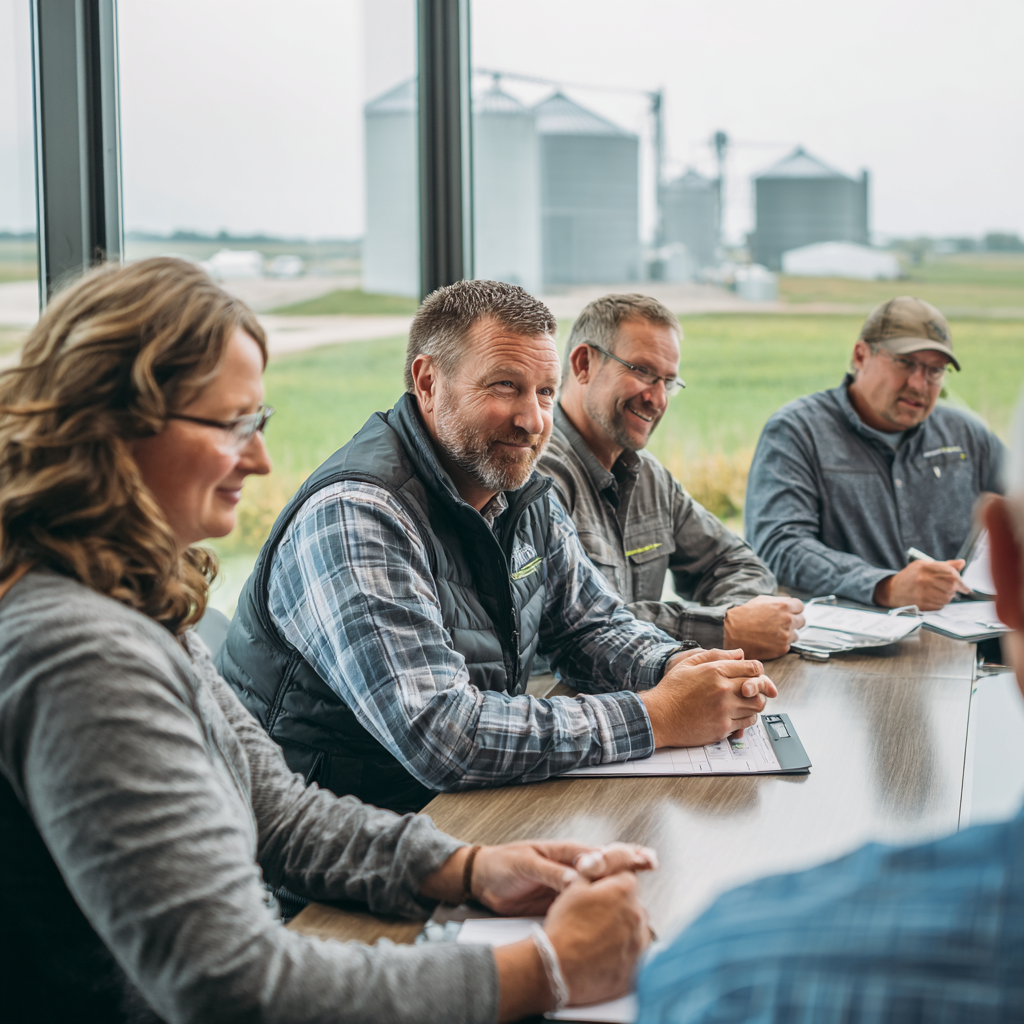
Annual agricultural drone programs may be relevant for:
Review customer and landowner insurance requirements before application work. Insurance does not establish Part 137 compliance or replace pesticide licensing and other applicable obligations.
For agricultural drone operators, insurance approval is often required before work can begin.Common requirements include:
Claims handling often includes review of operational compliance, documentation, and contractual obligations.
Protect your agricultural drone operations with insurance designed for regulated, professional, and contract-driven Part 137 environments. We work with agricultural operators to align insurance programs with Part 137 compliance, landowner requirements, and real-world application risk
Before the next spraying season, review chemical drift, application wording, equipment values, and the full annual operating picture.