Annual insurance reviews for agricultural spray operators and fleets. Review application risks, aircraft values, equipment, and customer requirements with Cory Fischer.
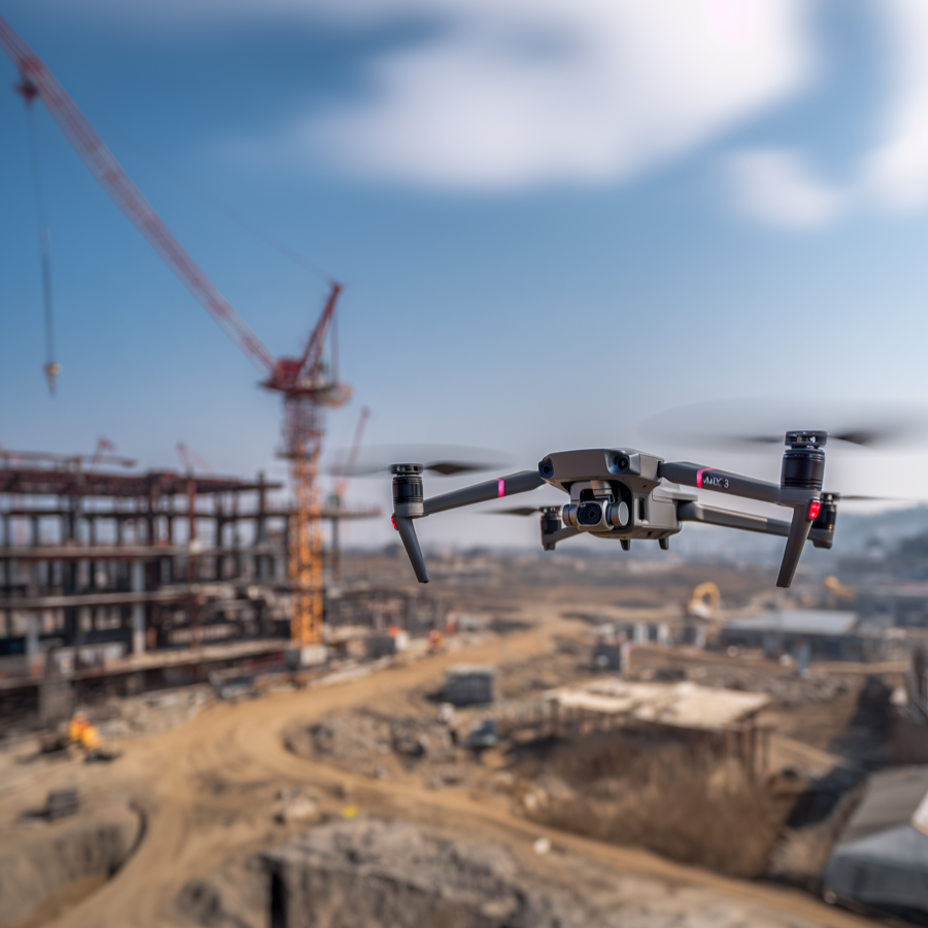

Agricultural drone operations often occur near farm workers, contractors, and moving equipment. Drone liability insurance helps protect against third-party bodily injury, property damage, and certain personal injury claims arising from drone flights. Many agribusiness clients and landowners require proof of liability coverage before allowing drone operations on their property.

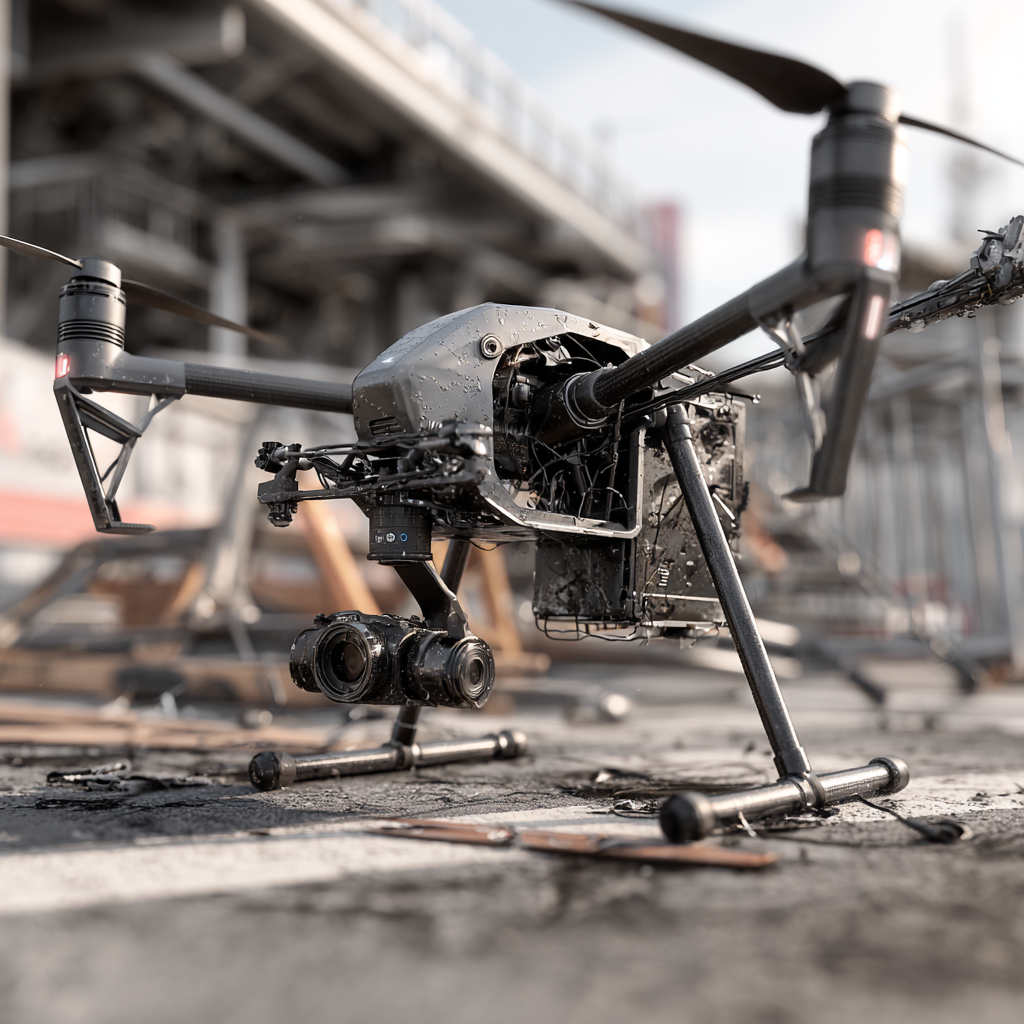
Agricultural drones are used frequently and operate in variable conditions such as wind, dust, and uneven terrain. Hull and physical damage insurance helps cover repair or replacement costs if your drone is damaged in a crash, hard landing, or other covered loss. This protects your aircraft investment and minimizes downtime during growing seasons.
Many agriculture drone programs rely on multispectral cameras, thermal sensors, and mapping equipment. Payload and equipment insurance helps protect these high-value items against physical damage or loss when mounted on the drone, handled in the field, or transported between farms and job sites
Some agricultural operations involve larger aircraft, specialized flight profiles, or advanced mission types. Some agricultural programs involve crop spraying or application operations, which may require additional regulatory compliance and specialized underwriting review. Specialized drone insurance may be required when operations fall outside standard commercial parameters and require additional underwriting review or endorsements.
Agricultural drone operations may involve contractual and operational insurance requirements, including:
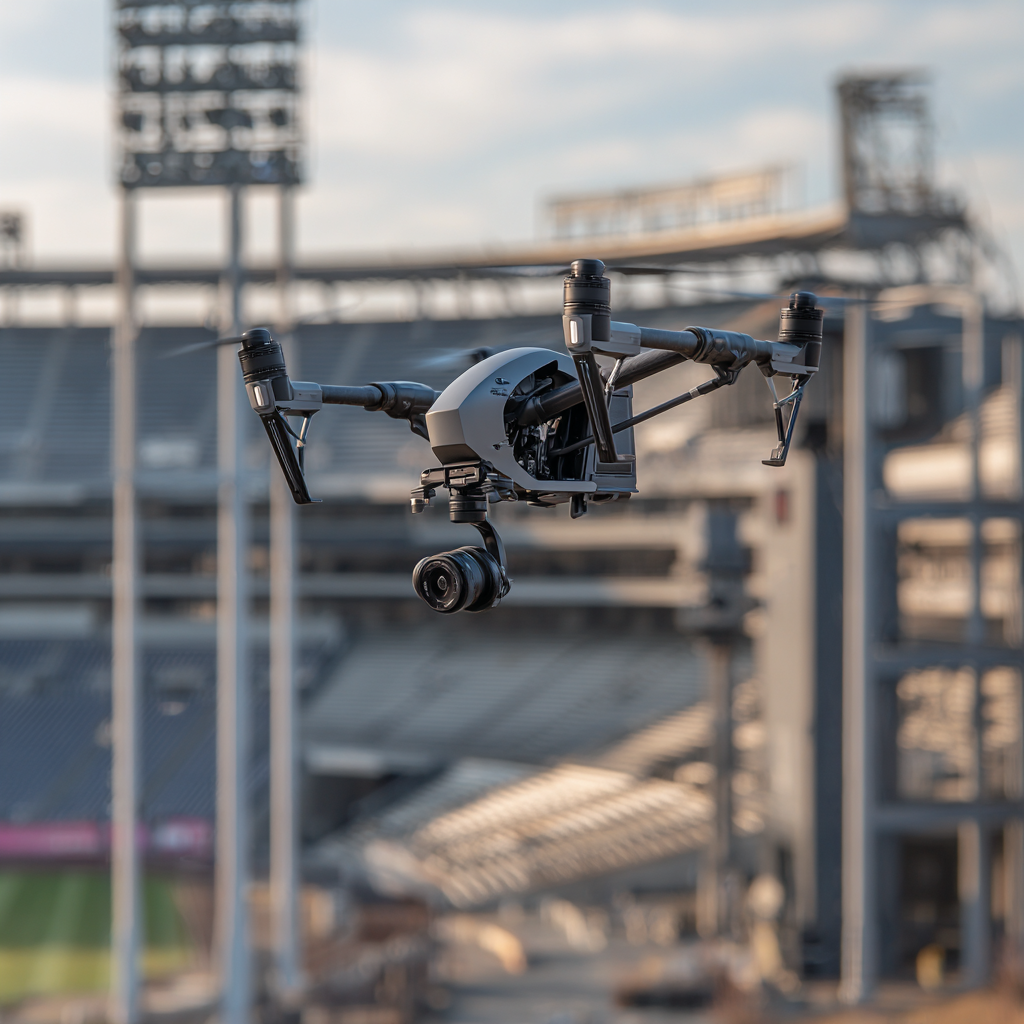
Protect your agricultural drone operations with coverage designed for field conditions, seasonal work, and agribusiness requirements.
Annual agricultural programs
For custom applicators, agribusiness service providers, cooperatives, and internal agricultural drone teams, the insurance review needs to describe more than crop imagery. Bring the actual application work, equipment values, substances applied, and customer requirements into the annual program.
Ask how the proposed wording treats drift, overspray, misapplication, and pollution allegations. Acceptance of agricultural flights does not by itself confirm chemical application coverage. Availability and exclusions need a separate review.
Identify airframes, tanks, dispensing systems, controllers, batteries, and spare units. Confirm values, deductibles, and coverage in flight, transit, and storage, including detached or separately owned equipment.
Describe seasonal workload, multiple farms, crews, territory, and off-season storage. Review the annual exposure rather than assuming equipment is protected only during active application months.
Review third-party damage, chemical allegations, and a customer’s purely financial loss separately. Contracts promising yield, treatment performance, or specific outcomes can raise questions beyond drone liability. Crop insurance and drone insurance address different risks.
Insurance does not grant Part 137 authority or replace applicable pesticide licensing. Review regulatory permissions and insurance acceptance separately before operations begin or change.
Aircraft and equipment schedule, values, substances applied, operating territory, pilot information, loss history, customer insurance requirements, current policies, and renewal date.
Review My Annual Agricultural ProgramRegulatory reference: FAA agricultural dispensing guidance. Coverage is subject to the policy and underwriting.