Understand how drone liability, aircraft physical damage and payload coverage fit together, and what to review as an annual commercial fleet changes.
A commercial drone program can involve several different insurance questions: injury or damage to others, damage to your aircraft, loss of an expensive sensor, and allegations about the work you deliver. One liability limit does not answer all of them.
This guide explains the coverage handoffs for businesses arranging annual drone insurance. It is a starting point for reviewing the actual policy, not a statement that every loss below is covered.
Drone or aviation liability insurance can address covered claims alleging third-party bodily injury or property damage arising from insured operations. Review who is insured, approved activities, territories, exclusions, defense provisions and limits. It does not automatically insure the operator's own aircraft or a customer's economic loss from an inaccurate report.
Aircraft physical damage insurance concerns the drone described by the policy. Scheduling, insured value, deductibles, settlement provisions and operating conditions matter. Ask how theft, disappearance, transit, storage, mechanical breakdown and newly acquired aircraft are addressed rather than assuming they share the same treatment.
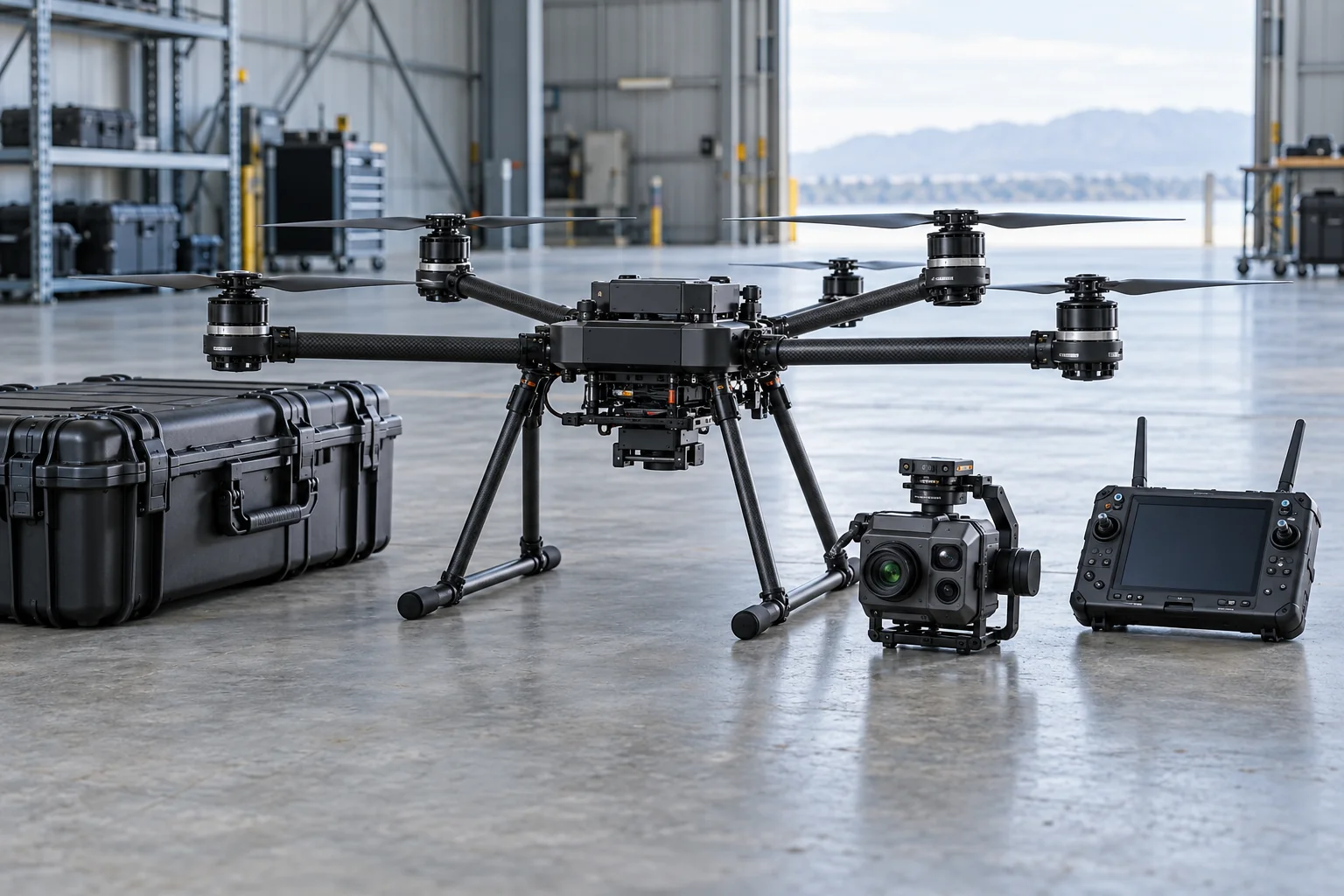
A detachable camera, LiDAR unit, thermal sensor or application system may need to be identified separately. Some products include certain mounted equipment in hull provisions; others use separate schedules or coverage sections. Confirm which provision covers each item and avoid gaps or duplicate values.
Review equipment when mounted, removed, stored, shipped or rented. Controllers, computers, ground stations and accessories may be treated differently. An aircraft schedule alone is not enough to establish that all supporting equipment is insured.
Suppose an inspection drone strikes a structure, damages its sensor and later faces an allegation that the inspection report missed a defect. These are separate questions: damage to the structure, damage to the aircraft, damage to the sensor and alleged professional error. Different coverage provisions or policies may be involved, and some allegations may fall outside the insurance purchased. This example is illustrative, not an actual client claim or coverage determination.
Insurance and regulatory permission are separate. The FAA's agricultural UAS guidance explains the relevant Part 137 certification process. Insurance does not authorize an operation or replace applicable aviation, licensing or safety requirements.
Send the broker the aircraft and equipment schedule, ownership or lease details, planned operations, customer requirements and timing. Ask for written confirmation of accepted changes and effective dates before relying on coverage for a new aircraft, sensor, activity or territory.
Work directly with Cory Fischer to review your operations, aircraft and equipment schedule, and customer requirements. Request an annual commercial drone insurance review.
Coverage depends on the policy issued, its terms, exclusions, limits and deductibles, and underwriting approval. An inquiry does not bind or change coverage.